
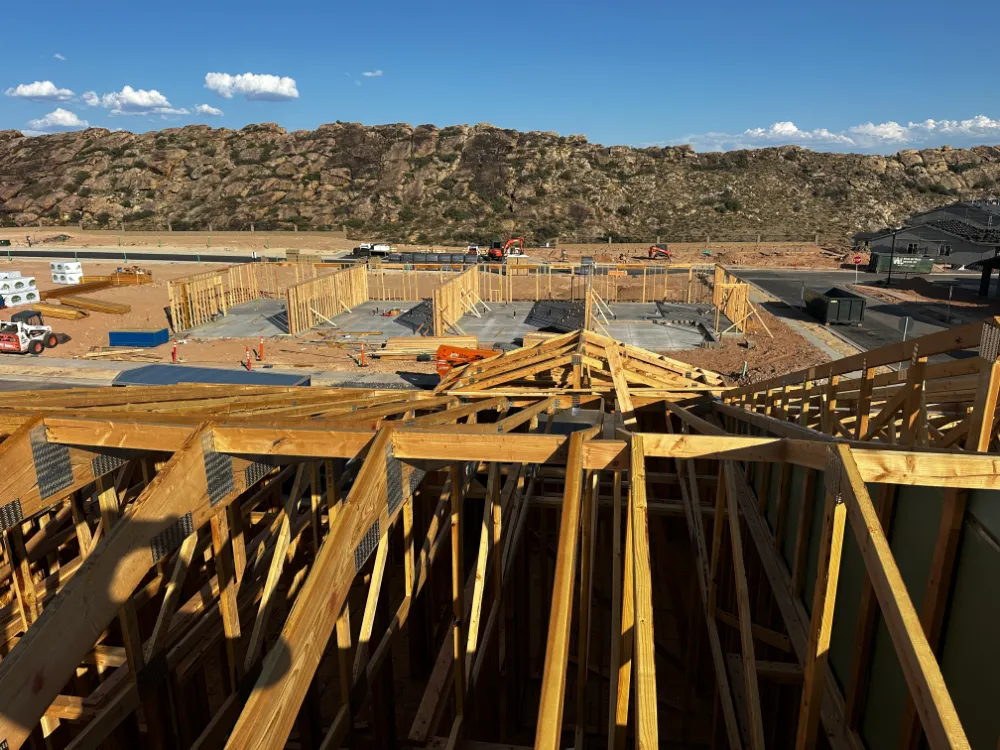
Reframing is rarely the result of a single oversight. More often, it is the outcome of a series of avoidable decisions made early in the construction process. When framing mistakes go unnoticed or are dismissed as minor, they often grow into major structural corrections that require time, money, and disruption to fix.
At Keep Hammering Construction, we have seen many reframing projects that could have been completely avoided with proper planning, skilled labor, and attention to detail. Understanding the most common reframing mistakes helps homeowners and general contractors prevent costly rework.
Mistake 1: Misidentifying Load Bearing Walls
One of the most common and expensive reframing errors is misidentifying which walls carry structural loads. Removing or altering a load bearing wall without proper support compromises the structure.
This mistake often happens when plans are not reviewed carefully or when changes are made without consulting engineering documents. Correcting load bearing mistakes requires installing beams, posts, or additional supports, often after finishes are in place.
Proper plan review and structural understanding prevent this issue entirely.
Mistake 2: Incorrect Beam and Header Sizing
Beams and headers must be sized correctly to support loads. Undersized beams may not fail immediately, but they can cause deflection, sagging, and cracking over time.
Correcting beam sizing after installation often requires partial demolition and engineering review. This process is costly and disruptive.
Experienced framing contractors follow engineering specifications precisely to avoid these issues.
Mistake 3: Poor Layout and Measurement Errors
Accurate layout is the foundation of good framing. Errors in layout lead to misaligned walls, incorrect openings, and structural conflicts.
Common layout mistakes include:
- Walls out of square
- Openings framed incorrectly
- Inconsistent spacing
These errors affect everything from windows to cabinetry and often require reframing to correct.
Mistake 4: Using Low Quality or Improper Materials
Material selection plays a major role in framing performance. Low quality lumber with high moisture content is more likely to warp, twist, and shrink.
Using improper materials may reduce upfront cost, but it increases the likelihood of reframing due to movement and instability.
Quality materials support long term performance and reduce rework.
Mistake 5: Ignoring Moisture Management
Moisture related framing issues develop slowly. Wet lumber shrinks as it dries, causing movement that affects alignment and finishes.
Failure to protect materials on site or account for moisture content leads to long term problems that often require reframing.
Professional framing crews manage moisture proactively to prevent these issues.
Mistake 6: Skipping Bracing and Structural Ties
Bracing and structural ties stabilize the frame during construction and over the life of the building. Skipping or delaying these components allows movement and misalignment.
Reframing to add bracing after the structure has shifted is far more difficult than installing it correctly from the start.
Mistake 7: Rushing the Framing Phase
Schedule pressure leads to mistakes. Rushed framing often skips verification steps, quality checks, and coordination with other trades.
Speed without accuracy creates problems that take longer to fix than the time saved.
Experienced contractors build realistic schedules that prioritize quality.
Mistake 8: Poor Communication Between Trades
Framing does not exist in isolation. Plumbing, electrical, HVAC, and finishing trades rely on accurate framing.
Lack of communication leads to conflicts that require reframing to resolve. Coordination prevents these issues.
Mistake 9: Inadequate Supervision and Quality Control
Even skilled crews need oversight. Lack of supervision allows small errors to compound into major issues.
Quality control ensures framing meets plans, codes, and performance standards.
Mistake 10: Choosing Cost Over Value
Many reframing projects begin with choosing the lowest bid. As discussed throughout this series, low cost framing often leads to high cost corrections.
Value based decisions protect the structure and budget.
How to Avoid Reframing Mistakes
Preventing reframing requires:
- Careful plan review
- Skilled and experienced labor
- Quality materials
- Proper sequencing
- Clear communication
- Consistent supervision
At Keep Hammering Construction, we focus on preventing problems before they start.
The Long Term Cost of Avoidable Mistakes
Reframing affects more than the budget. It impacts timelines, stress levels, and confidence in the project.
Avoidable mistakes undermine trust and disrupt progress. Preventing them leads to smoother builds and better outcomes.
Prevention Is the Best Framing Strategy
Reframing mistakes are costly, disruptive, and often avoidable. Choosing experienced framing, quality materials, and proper planning protects the structure from the start.
At Keep Hammering Construction, we believe doing it right the first time is the foundation of every successful project.