
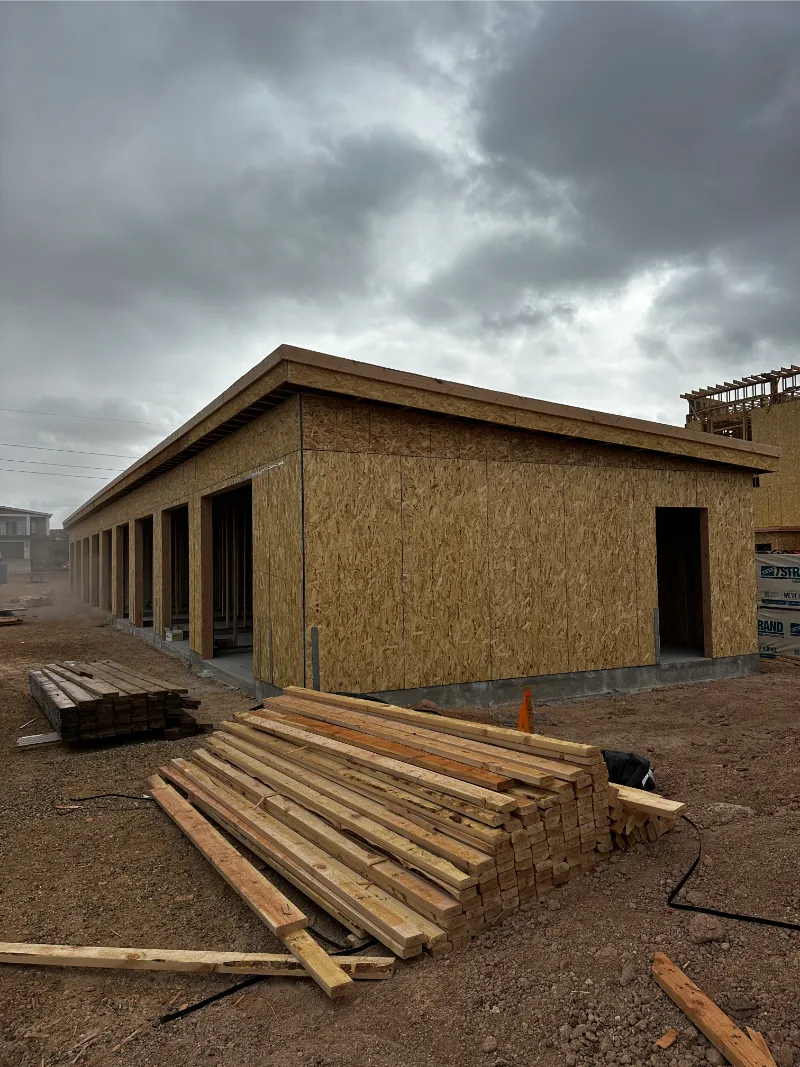
Choosing the right framing materials is one of the most important decisions in any construction project. The quality of the lumber directly affects strength, stability, energy efficiency, and long term performance. A trustworthy framing contractor will guide you through this decision and ask the right questions before construction begins.
At Keep Hammering Construction, we help homeowners and general contractors understand their options so the structure starts with a solid and informed foundation.
What Are the Project’s Structural Requirements
Every build is unique. A multi level home, a custom vaulted ceiling, or a commercial space each has different load demands. Your contractor should evaluate:
- Required spans
- Roof style
- Floor system performance
- Environmental considerations such as snow or wind loads
Higher demand conditions often call for engineered lumber like LVLs or glu-lam beams for extra strength and stability.
Which Lumber Species Is Best for the Climate
Not all wood performs the same in every region. Depending on your location, your contractor may recommend:
- Douglas fir for strength
- SPF (spruce pine fir) for cost efficiency
- Southern yellow pine for durability
Quality framing begins with lumber that can handle your climate and moisture levels.
What Moisture Content Is Acceptable
Lumber that is too wet can warp or twist after installation. This affects drywall, flooring, cabinets, and trim long after the framing crew has left. A professional framing contractor pays attention to moisture content before building to prevent future issues.
Keep Hammering Construction always inspects and sorts materials so only reliable, straight lumber goes into your structure.
Will Engineered Products Improve Performance or Efficiency
Engineered lumber offers consistent strength, minimal warping, and longer span capabilities. Your contractor should help you decide when engineered materials provide real value such as:
- Long beam spans
- Open concept layouts
- Heavy load areas
- Multi story construction
These products support modern architectural designs and help protect your investment.
Are the Fasteners, Brackets, and Connectors Rated for the Job
High quality frames rely on more than lumber. Using proper fasteners and structural connectors ensures long term safety and stability. This includes:
- Hurricane ties
- Hangers
- Structural screws
- Anchor systems
We never cut corners on structural components because they hold everything together.
The Takeaway
Choosing the right framing materials is essential for creating a strong, durable structure. When your framing contractor takes the time to evaluate your needs and explain your options, you get better performance and long term value. Keep Hammering Construction is committed to helping every client start with materials that support a high quality build from day one.