
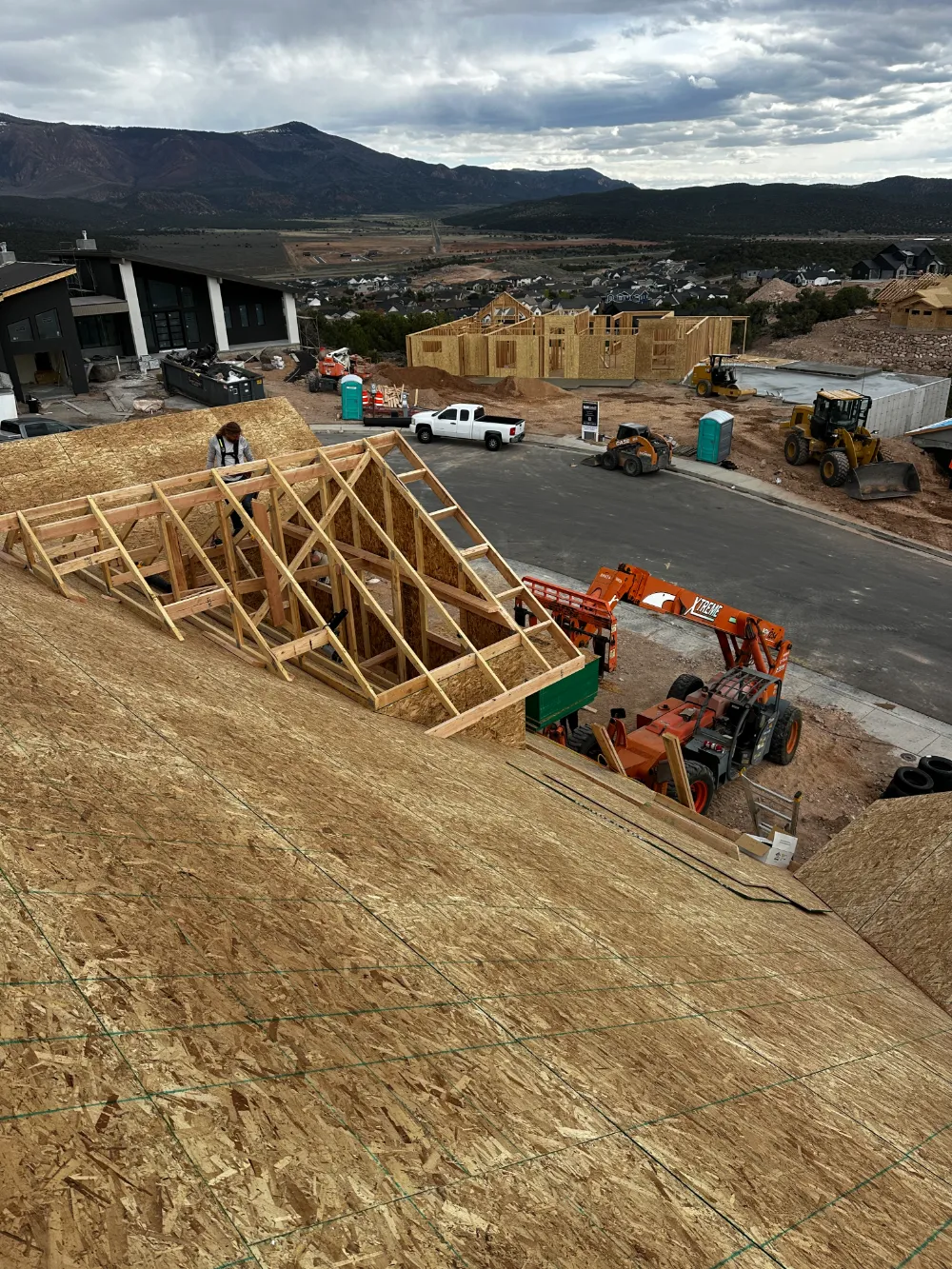
Framing a house is a carefully sequenced process. Each step builds on the one before it, and skipping steps or changing the order can lead to structural problems, delays, and costly corrections. While framing may appear straightforward from the outside, there is a proven order that ensures accuracy, safety, and long term performance.
At Keep Hammering Construction, we follow a disciplined framing process because we understand that the correct order is just as important as the quality of workmanship. Understanding how a house should be framed helps homeowners and general contractors recognize the value of experienced framing.
Why Framing Order Matters
The framing sequence affects more than just speed. It determines how loads are transferred, how straight and level the structure remains, and how efficiently other trades can work.
Framing done out of order often leads to misalignment, compromised structural elements, and failed inspections. Following the correct sequence reduces rework and protects the integrity of the building.
Step 1: Foundation Verification and Layout
Before framing begins, the foundation must be checked for accuracy. This includes verifying dimensions, elevations, square corners, anchor bolt placement, and overall alignment with the plans.
Even small foundation errors can create major framing problems. Correcting issues at this stage is far easier than addressing them later.
Once verified, the framing layout begins. This involves marking wall locations, load bearing points, and openings. Accurate layout ensures the entire structure starts correctly.
Step 2: Installing the Sill Plates
Sill plates connect the framing to the foundation. They must be properly treated, anchored, and sealed.
This step includes:
- Installing sill seal to prevent air and moisture intrusion
- Aligning plates with anchor bolts
- Securing plates to meet code requirements
Properly installed sill plates ensure the structure is securely tied to the foundation and resist movement over time.
Step 3: Floor System Framing
The floor system provides the platform for everything above. This includes beams, joists, rim boards, and subflooring.
Accurate floor framing ensures:
- Level surfaces
- Proper load distribution
- Correct wall alignment above
Floor framing must be square and flat before walls are built. Any errors here multiply as the structure rises.
Step 4: Subfloor Installation
The subfloor ties the floor system together and creates a stable working surface. Proper fastening patterns and spacing are essential.
Subfloor installation includes:
- Applying adhesive where required
- Staggering joints for strength
- Securing panels to prevent squeaks
A solid subfloor improves overall stability and provides a safe base for framing walls.
Step 5: Exterior Wall Framing
Exterior walls define the structure and support roof loads. They are framed on the deck and raised into place.
This step includes:
- Stud placement
- Header installation
- Window and door openings
- Structural sheathing preparation
Walls must be straight, plumb, and square. Proper bracing keeps them stable during construction.
Step 6: Interior Wall Framing
Interior walls are framed after exterior walls are set. This allows load bearing walls to align correctly with the floor system below.
Interior wall framing includes:
- Load bearing walls
- Partition walls
- Blocking for future finishes
Accurate interior framing supports efficient mechanical and finish installation.
Step 7: Installing Beams and Load Bearing Elements
Beams, posts, and load transfer elements are installed according to engineering specifications. These components support floors, roofs, and open spaces.
Correct beam installation ensures:
- Loads are transferred properly
- Spans perform as designed
- Structural integrity is maintained
Mistakes at this stage can compromise the entire structure.
Step 8: Roof and Ceiling Framing
Roof framing completes the structural shell. This may include trusses or stick framing.
Roof framing establishes:
- Roof pitch
- Load paths
- Structural rigidity
Ceiling framing supports insulation and finishes while maintaining structural stability.
Step 9: Sheathing and Structural Bracing
Sheathing ties the structure together and provides lateral strength. Proper nailing patterns and alignment are critical.
Bracing ensures the structure remains stable during construction and over its lifespan.
Step 10: Final Checks and Inspection Preparation
Before inspections, the framing is reviewed for:
- Alignment and plumbness
- Proper fastening
- Code compliance
- Structural connections
Addressing issues before inspections prevents delays and rework.
Why Skipping Steps Causes Problems
Framing out of order creates stress on the structure. It leads to misalignment, compromised load paths, and inspection failures.
Professional framers follow proven sequences because they understand how each step supports the next.
How Proper Framing Order Supports Other Trades
Accurate framing allows plumbers, electricians, HVAC installers, and finish crews to work efficiently. Correct framing reduces conflicts and keeps schedules on track.
Order Protects the Entire Build
The correct order of framing is essential to building a safe, durable, and efficient home. Each step plays a role in the success of the project.
At Keep Hammering Construction, we follow disciplined framing processes because doing it right the first time protects your investment and supports every phase of construction.