
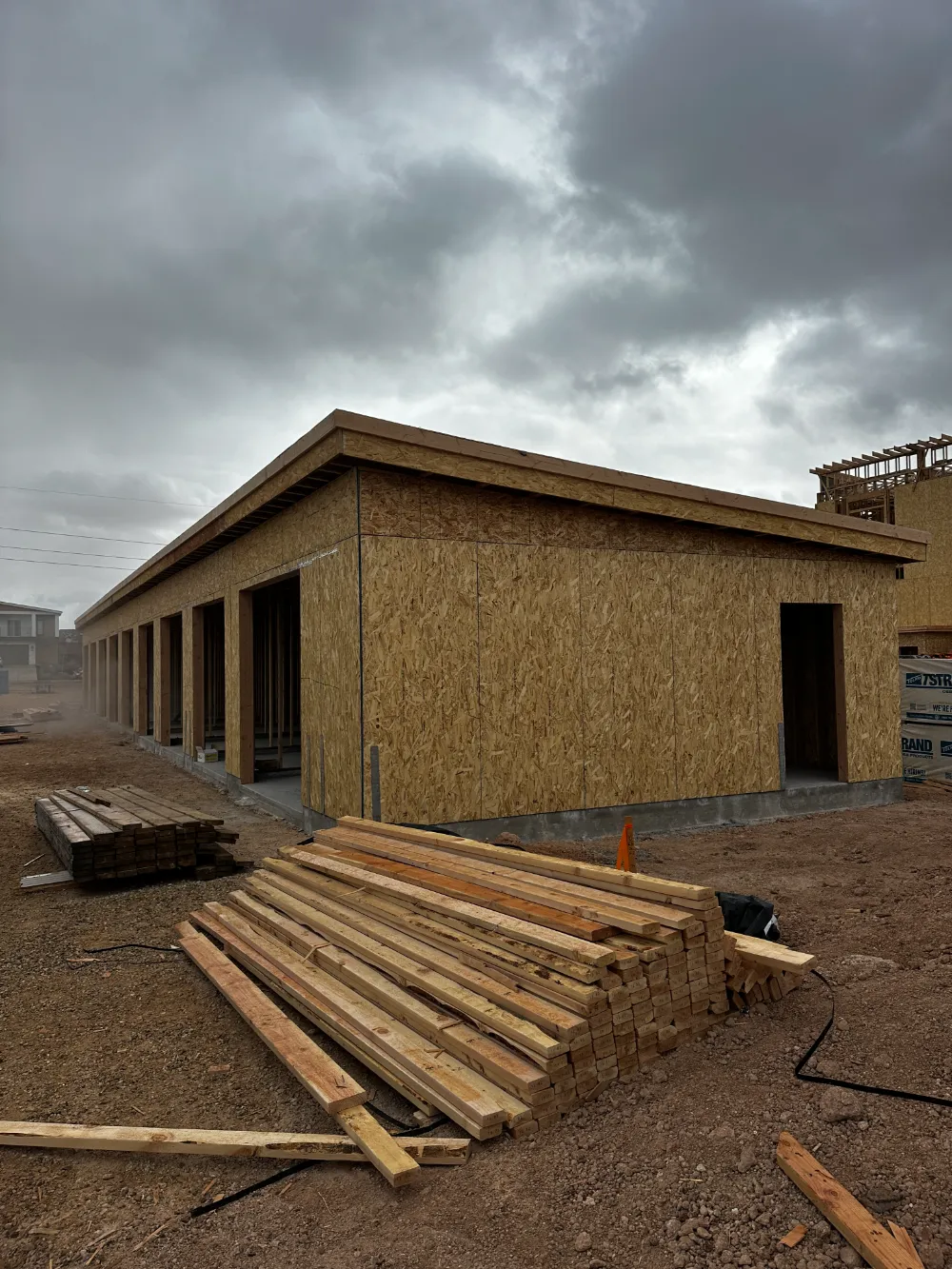
When most people think about framing a house or building, they imagine stacks of lumber that all look more or less the same. In reality, lumber quality varies significantly, and those differences have a major impact on how a structure performs over time. The type of wood used, its moisture content, how it is stored, and how it is installed all influence the strength, stability, and longevity of the frame.
At Keep Hammering Construction, we treat lumber selection as a critical part of the framing process. Understanding why not all lumber is created equal helps homeowners and general contractors make informed decisions that protect their investment.
Lumber Is a Natural Material With Natural Variations
Unlike steel or concrete, wood is a natural material. Each piece of lumber comes from a living tree, which means no two boards are exactly alike. Growth rate, species, climate, and milling processes all affect how a board behaves once it is installed.
Some lumber is dense and stable. Other boards are prone to twisting, bowing, or shrinking. Skilled framers understand these differences and select materials accordingly.
Low quality framing often treats lumber as interchangeable. Quality framing recognizes and accounts for its natural behavior.
Wood Species Matter More Than Most People Realize
Different wood species offer different structural properties. Some are stronger and more rigid. Others are lighter and more flexible.
For example, Douglas Fir is commonly used in framing because of its strength and stability. Spruce Pine Fir is more affordable but can be more prone to movement. Choosing the right species depends on the structural demands of the project.
A professional framing contractor evaluates load requirements, spans, and design intent before selecting materials. Choosing the wrong species can compromise performance and increase long term maintenance issues.
Moisture Content Is One of the Biggest Factors in Framing Performance
Moisture content plays a major role in how lumber behaves after installation. Lumber with high moisture content will shrink as it dries. This shrinkage can cause gaps, movement, and alignment issues throughout the structure.
Common problems caused by excessive moisture include:
- Shrinking studs that lead to drywall cracking
- Warped or twisted boards that affect wall straightness
- Nail pops and fastener movement
- Doors and windows that shift over time
These issues often appear months after construction is complete, long after the framing phase has passed.
Quality framing contractors monitor moisture levels and select lumber that is appropriate for the environment and timeline of the project.
Warping, Twisting, and Bowing Create Long Term Issues
Warped lumber is more than an aesthetic issue. When studs twist or bow, they create uneven surfaces that affect finishes such as drywall, tile, cabinetry, and trim.
Walls framed with warped studs are harder to finish correctly. Drywall may not sit flat. Cabinets may not align. Baseboards and trim may show gaps.
Once finishes are installed, correcting these problems becomes expensive and disruptive.
Experienced framers identify and correct warped lumber before installation, ensuring walls remain straight and true.
Lumber Grading Affects Structural Reliability
Lumber grading indicates the strength and quality of the board. Higher grade lumber is straighter, stronger, and more consistent.
Lower grade lumber may contain knots, cracks, or irregular grain patterns that reduce strength. While lower grades may cost less upfront, they often lead to increased movement and reduced performance.
Quality framing balances cost and performance by using appropriate grades in the right locations. Critical load bearing areas require higher quality materials to ensure safety and durability.
Storage and Handling Are Just as Important as Selection
Even high quality lumber can perform poorly if it is stored incorrectly. Lumber exposed to rain, snow, or ground moisture absorbs water, increasing moisture content and movement risk.
Proper storage includes keeping lumber off the ground, covered, and protected from prolonged exposure to moisture. Handling also matters. Dropping or bending boards can introduce defects before installation begins.
Professional framing crews manage materials carefully from delivery to installation to preserve quality.
Engineered Wood Products Offer Consistency and Strength
Engineered lumber such as LVLs, LSLs, and I joists are designed for strength and consistency. These products are manufactured under controlled conditions, which reduces variability and movement.
Engineered wood is often used for long spans, open floor plans, and load bearing elements. While these materials may cost more upfront, they offer excellent long term performance and reduce framing issues related to warping and shrinkage.
Choosing when and where to use engineered products is part of smart framing strategy.
Climate and Environment Affect Lumber Behavior
Climate plays a significant role in how lumber performs. Humid environments, temperature changes, and seasonal moisture fluctuations all influence wood movement.
Framing contractors must account for these conditions when selecting and installing materials. What works in one region may not perform the same in another.
Understanding local climate conditions is essential for framing that lasts.
Poor Lumber Choices Lead to Long Term Maintenance Problems
Homeowners often discover framing related issues years after construction. Floors may creak or sag. Walls may crack. Doors may no longer close properly.
These problems are often traced back to lumber selection and moisture management during framing. Fixing them later is far more expensive than preventing them from the start.
Quality lumber selection reduces long term maintenance and protects property value.
Quality Lumber Supports Quality Craftsmanship
Even the best framing crew cannot overcome poor materials. Straight walls, level floors, and durable structures require lumber that performs as expected.
At Keep Hammering Construction, we believe craftsmanship starts with material selection. We choose lumber that supports accuracy, strength, and long term stability.
Lumber Quality Shapes the Entire Structure
Not all lumber is created equal. Differences in species, moisture content, grading, and handling all affect how a building performs over time.
Choosing a framing contractor who understands these factors ensures your structure is built to last. Quality lumber paired with skilled framing protects your investment and delivers a better building from the ground up.