
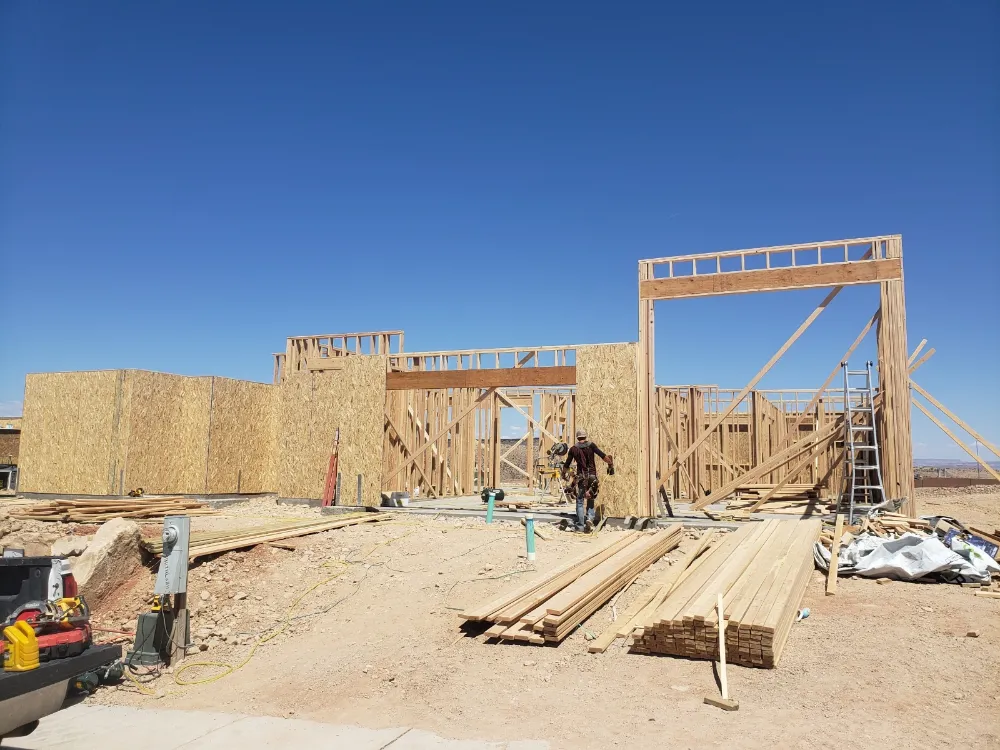
In construction, few decisions have a greater impact on the success of a project than the framing contractor you choose. Framing forms the structural foundation of the building and directly affects every trade that follows. While it can be tempting to accept a low framing bid in order to save money upfront, cheap framing often results in higher costs, longer schedules, and long term performance issues.
At Keep Hammering Construction, we have worked on many projects where we were brought in after problems had already occurred. In nearly every case, those problems could be traced back to framing decisions made early in the build. Understanding why cheap framing leads to expensive consequences helps protect your project from avoidable setbacks.
Framing Quality Influences the Entire Build
Framing is not just about getting walls to stand up. It is about accuracy, structural integrity, and coordination. A well framed structure supports plumbing runs, electrical layouts, insulation installation, window and door placement, and finish work.
When framing is done poorly, problems compound. Crooked walls make cabinetry difficult to install. Incorrect openings lead to window delays. Uneven floors affect tile, hardwood, and trim. Each issue adds cost and time.
Quality framing creates a smooth path for the rest of the project. Cheap framing creates obstacles at every stage.
Low Prices Often Reflect Incomplete Planning
One of the most common causes of low bids is a lack of planning. Experienced framing contractors spend time reviewing plans, identifying structural details, and coordinating with other trades before work begins.
Low cost framing often skips this step. Plans may be reviewed quickly or not at all. Structural details are addressed only when problems arise on site. This reactive approach leads to mistakes, confusion, and delays.
Planning is not an extra. It is part of delivering accurate framing.
Underqualified Labor Creates Hidden Costs
Framing requires skilled labor that understands structural systems, load paths, and building codes. Crews without proper experience may work quickly, but speed without accuracy is expensive.
Common issues caused by underqualified framing crews include incorrect stud spacing, misaligned walls, improper fastening, and missing hardware. These problems may not be obvious immediately, but they become clear once other trades begin their work.
Correcting these mistakes requires rework, additional inspections, and schedule extensions.
Rework Impacts More Than Just the Framing Budget
Reframing is rarely isolated to one trade. When framing must be corrected, electricians may need to remove wiring. Plumbers may need to adjust piping. Drywall and insulation often must be removed and replaced.
Each layer of rework adds cost and delays. What began as a framing issue becomes a multi trade problem that affects the entire project timeline.
Cheap framing creates ripple effects that reach far beyond the initial bid.
Material Choices Make a Long Term Difference
Low bids often rely on lower quality lumber with high moisture content or inconsistent grading. As this lumber dries, it moves. That movement leads to warping, twisting, and shrinking that affects finishes long after the build is complete.
Homeowners may notice nail pops, cracked drywall, doors that no longer close properly, or uneven surfaces. These issues are frustrating and expensive to repair.
Quality framing contractors account for material performance, not just material cost.
Schedule Delays Increase Overall Project Costs
Time is money in construction. When framing falls behind, every scheduled trade is affected. Delays lead to increased labor costs, extended equipment rentals, and lost productivity.
Low bid framing crews are often stretched thin, managing multiple projects at once. When staffing issues arise, your project may be the one that waits.
Reliable framing contractors price work so they can commit the crew and time required to meet the schedule.
Inspection Failures Are Costly
Failed inspections are a clear sign that something went wrong. Corrections often involve structural reinforcement, additional hardware, or rebuilding sections of the frame.
Each failed inspection adds cost and delays progress. More importantly, it undermines confidence in the construction process.
Professional framing contractors understand inspection requirements and build with compliance in mind from the beginning.
Cheap Framing Affects Long Term Performance
Structural issues may take years to become apparent. Floors may develop deflection. Walls may shift. Rooflines may sag.
These problems affect comfort, energy efficiency, and resale value. In some cases, repairs require invasive structural work that disrupts the home long after construction is complete.
Framing done right provides stability, durability, and peace of mind.
What True Value Looks Like in Framing
Value in framing comes from experience, planning, material quality, and accountability. A fair bid reflects the time and skill required to build a structure that performs as intended.
At Keep Hammering Construction, we believe in transparency and craftsmanship. Our pricing reflects the full scope of work, quality materials, and the experience needed to deliver reliable results.
How to Protect Yourself When Choosing a Framer
When comparing bids, ask more than just the price:
- What materials are included
- How is quality controlled on site
- How experienced is the crew
- How are inspections handled
- How does the contractor communicate
The answers to these questions reveal far more than the number at the bottom of the bid.
Cheap Framing Comes at a High Cost
Cheap framing is rarely cheap in the long run. It leads to rework, delays, and long term performance issues that cost far more than the initial savings.
Investing in quality framing protects the entire project and ensures your home or building stands strong for years to come.