
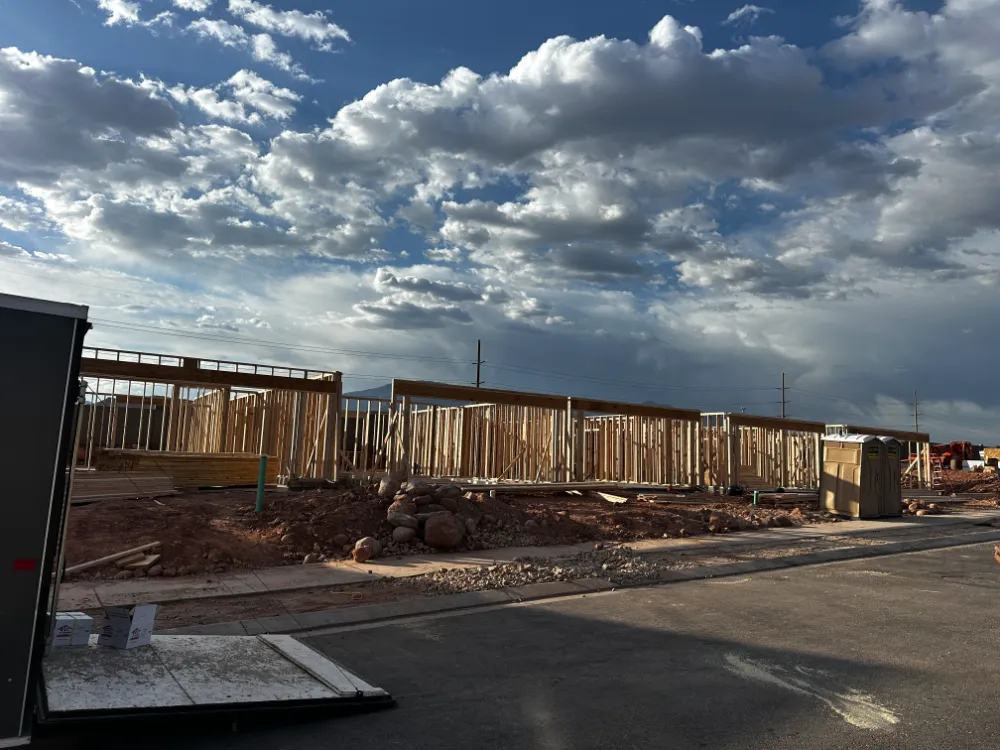
To many people, framing looks like a simple process of building walls, floors, and a roof. In reality, framing is a carefully coordinated sequence where each step affects the accuracy, strength, and efficiency of the entire build. When framing is done out of sequence, problems arise that are expensive and difficult to correct.
At Keep Hammering Construction, we follow proven framing systems because we know that sequencing is just as important as craftsmanship. Understanding why framing order matters helps homeowners and general contractors protect their projects from unnecessary delays and structural issues.
Framing Is a System, Not a Series of Tasks
Framing works as a connected system. Floors support walls. Walls support roofs. Beams transfer loads down to the foundation. Each element relies on the one below it being accurate and complete.
When steps are skipped or rearranged, loads may not transfer correctly, alignment suffers, and structural performance is compromised. Framing is not forgiving of shortcuts.
Proper Sequencing Protects Structural Accuracy
Accuracy begins at the foundation and builds upward. If the floor system is not square and level, walls will follow that error. If walls are not plumb, roof framing becomes difficult.
Sequencing ensures:
- Straight walls
- Level floors
- Proper load alignment
- Consistent measurements throughout the structure
Each step corrects and confirms the previous one before moving forward.
Load Paths Depend on Correct Framing Order
Load paths are the routes through which weight travels from the roof and floors down to the foundation. These paths must be continuous and aligned.
Incorrect sequencing can interrupt load paths, placing stress on unintended areas. This may not be obvious immediately, but it can lead to deflection, cracking, or structural failure over time.
Professional framers understand how each framing element contributes to load transfer and sequence installation accordingly.
Inspection Requirements Are Tied to Framing Sequence
Building inspectors expect framing to follow approved plans and logical sequencing. When framing is done out of order, it becomes harder to verify code compliance.
Failed inspections delay projects and require corrections. Sequencing framing properly reduces inspection issues and keeps the project moving.
Sequencing Improves Jobsite Safety
A properly sequenced framing process creates a safer jobsite. Stable floors, braced walls, and secure platforms reduce the risk of accidents.
Out of sequence framing may leave unsupported elements or unstable structures, increasing the chance of injury.
Safety is not optional. It is built into the framing process.
How Sequencing Affects Other Trades
Every trade relies on framing accuracy. Mechanical systems, insulation, drywall, cabinetry, and finishes all depend on correct framing.
Poor sequencing leads to conflicts such as:
- Plumbing lines interfering with framing
- Electrical layouts that do not align
- HVAC runs requiring costly adjustments
Correct framing sequence supports efficient work by every trade on site.
Rushed Framing Often Skips Critical Steps
Schedule pressure is one of the biggest reasons framing sequence is compromised. Crews may rush to meet deadlines and skip verification steps.
This leads to errors that take far longer to correct than the time saved by rushing.
Experienced framing contractors build realistic schedules that allow for proper sequencing and quality control.
Temporary Bracing Is Part of the Sequence
Bracing is not an afterthought. Temporary and permanent bracing must be installed at the correct times to stabilize the structure.
Skipping or delaying bracing increases movement and misalignment. Proper sequencing includes bracing at every stage.
Sequencing Supports Long Term Performance
Buildings move over time. Proper framing sequence accounts for movement and stress.
When framing is done correctly, the structure adapts naturally without developing cracks or alignment issues. Poor sequencing leads to long term maintenance problems.
Why Experienced Framers Follow Proven Systems
Professional framers rely on systems refined over years of experience. These systems reduce errors and improve consistency.
At Keep Hammering Construction, our sequencing is intentional. Each step supports the next and protects the integrity of the build.
How to Identify Sequencing Issues Early
Homeowners and general contractors can watch for signs of poor sequencing:
- Walls framed before floors are fully verified
- Missing bracing
- Inconsistent measurements
- Rushed installation
Addressing these issues early prevents costly corrections later.
Sequence Is the Foundation of Quality Framing
Framing sequence matters more than many people realize. It affects safety, accuracy, inspections, and long term performance.
Choosing a framing contractor who respects the process ensures your project is built on a solid foundation.
At Keep Hammering Construction, we frame with intention because sequence is what turns materials into a structure that lasts.